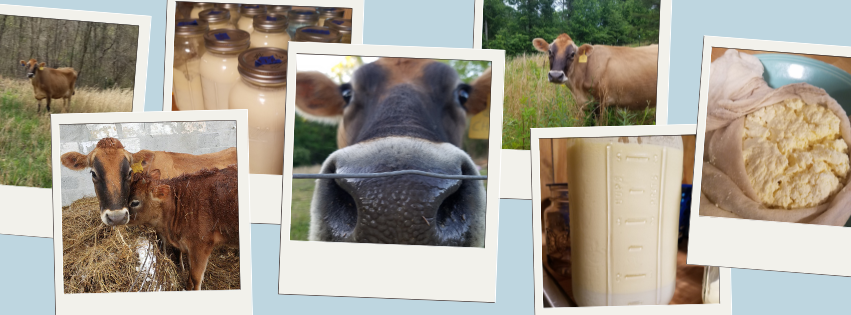
It all began in 2020 with one cow. When we brought Daisy home, we had no plans to start a dairy farm. We just wanted fresh milk for our family. But, we fell in love with a way of life. By the fall of 2021, our small herd began to grow, and by the spring of 2022, it was clear that our vision was outgrowing our initial bounds
A Path We Didn’t Plan
In 2023, we began planning a new milking parlor and a way to grow our business. Looking back, we could never have imagined what it would eventually become. We truly believe God had bigger plans than ours. His timing is the only way to explain the series of events that followed—specifically, our decision to apply for the Resilient Food Systems Infrastructure (RFSI) grant.
As a first-time applicant, there were many days when the paperwork felt overwhelming and I nearly gave up. But through prayer and perseverance, we saw it through. When we received the grant, we knew it was a gift that would allow us to serve our community in a way we never thought possible.
Building the Vision
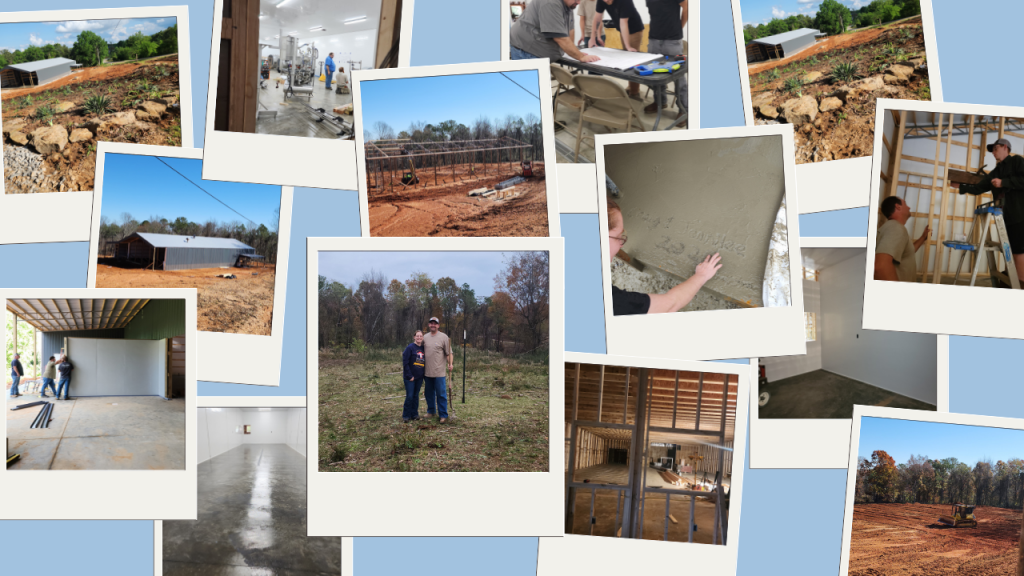
In October 2024, we broke ground on a brand-new dairy processing facility and milking parlor. If you’ve ever survived a construction project, you know that timelines are more of a suggestion than a rule! The process took months longer than expected, testing our patience at every turn.
The Dairy Farm Store: Transparency from the Start
Finally, in February 2026, we were able to open our storefront. Even as the rest of the building hummed with the sounds of ongoing construction, our doors were open to you. Our mission has remained the same since that first day with Daisy: to bridge the gap between the farmer and the family. We believe you should have full transparency over your food. That’s why when you visit, you can watch the entire process—from the cows being milked to the milk being bottled and the cheese being made.
We are also proud to partner with local farmers. We only partner with farms that share our dedication to quality, integrity, and sustainable growth. But we don’t just take their word for it—we visit these farms personally. We get to know the families, walk their fields, and see their processes firsthand.
By knowing exactly how every product on our shelves is grown or raised, we can confidently answer any question you have because we’ve been there to see it for ourselves.
Our store exclusively stocks farm-produced goods. While this means some items might be seasonal or occasionally sell out, it ensures that every dollar you spend stays in our local community and supports farmers who care as much about your food as you do.
Milk Processing: Consistency You Can Trust
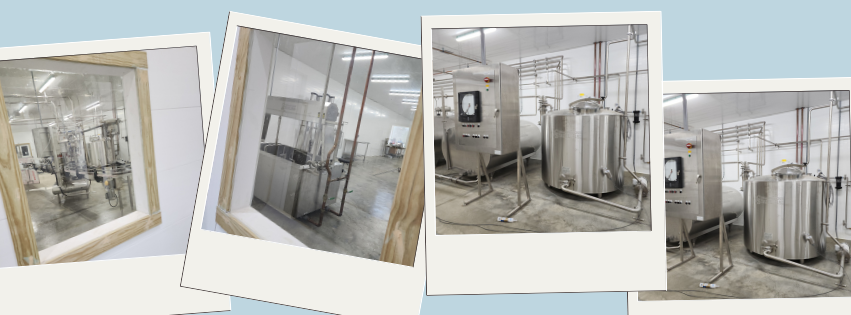
Transitioning from raw milk production for our family to full-scale pasteurized milk for the community came with its own set of obstacles. However, the journey has been smoother than we expected. We’ve worked closely with milk inspectors to ensure every part of our facility meets the highest standards of safety and cleanliness.
Rather than seeing these regulations as a hurdle, we see them as an extension of our original mission. Working with the Milk Safety Inspectors gives us a framework to guarantee that the milk you buy is as safe as it is fresh. Aside from some new equipment and additional record-keeping to ensure traceability and quality control, the way we milk or treat our cows hasn’t changed a bit. We still have the same high standards and the same commitment to quality that we had when it was just Daisy in the field.
Everything else might change, but our promise to provide wholesome, high quality milk remains exactly the same—now, we just get to offer it to so many more of you!
Why Vat Pasteurization Matters
Most people know that pasteurization makes food safer by eliminating harmful bacteria, but not all pasteurization is created equal. Most commercial milk uses High-Temperature Short-Time (HTST) pasteurization, which zips milk through hot tubes at up to 220°F. It’s fast, but it can often leave the milk with a “cooked” flavor.
We chose a different path: Vat Pasteurization.
It’s a slower, gentler process where the milk is heated to 145°F in a large container and slowly agitated. It takes more time, but we believe it’s worth the wait. By using lower heat, we retain a higher percentage of the milk’s natural nutrients, beneficial bacteria, and enzymes. The result is a richer, “farm-fresh” flavor that tastes as close to raw milk as possible.